Turning Data into Action: The Modern Industrial Playbook
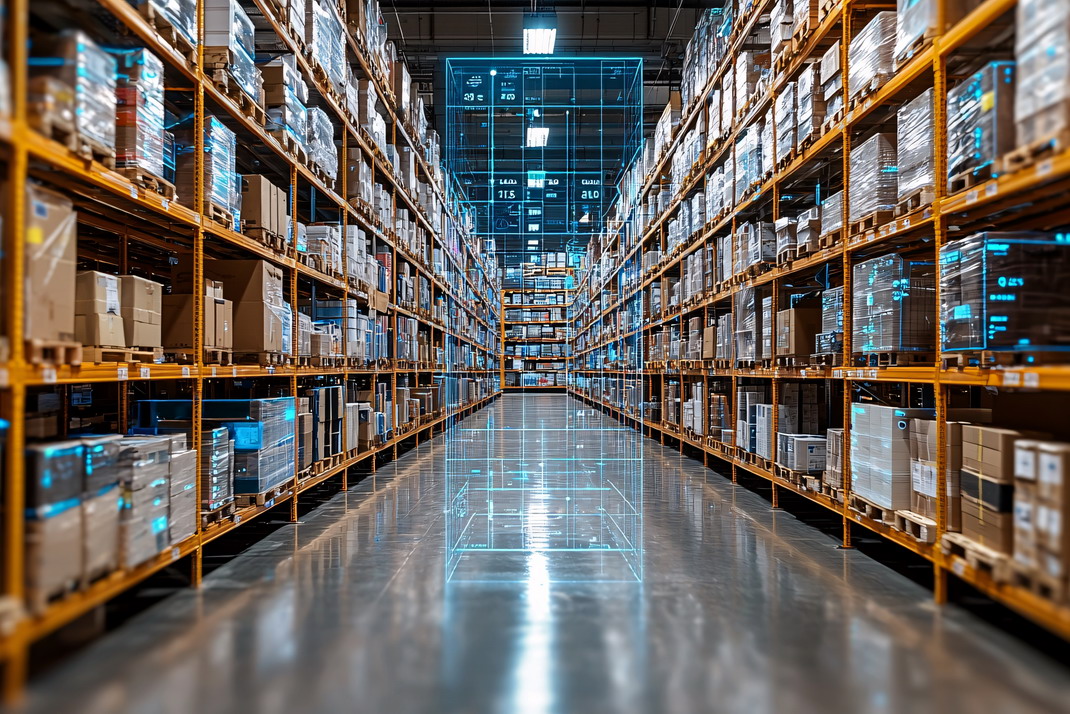
Machines hum. Sensors beep. Numbers flow across screens in endless streams. This is what manufacturing looks like today – far from the grease-stained notebooks and manual measurements of decades past. Temperature spikes, pressure drops, motor speeds, production tallies. Each fragment tells part of a larger story about how well a factory runs. But here’s the thing: data locked away in spreadsheets helps nobody. It’s dead weight. Winners in modern manufacturing maximize value from information, making better decisions.
From Numbers to Know-How
So how do factories actually pull this off? Start with sensors, and lots of them. Place them on conveyor belts, in hydraulic systems, and near heating elements. These devices monitor everything proactively. Take a bottling plant. Sensors check fill levels thousands of times each hour. The measurements drift slightly left? Software catches it. Operators fix the problem. No mess, no waste, no unhappy customers. That’s the power of listening to machines.
The software analyzes data more quickly than people can. These programs love patterns. A bearing that vibrates just a hair differently than usual? The software flags it weeks before failure. Energy consumption creeping up on the third shift? The system pinpoints exactly which equipment needs adjustment. Computers handle this well, allowing people to focus on more important matters.
Speed Matters in Manufacturing
Here’s where things get interesting. Old-school setups ship data to faraway servers. By the time the answers come back, the moment has passed. The defect slipped through. The machine overheated. Edge computing for industrial automation flips the script completely. Blues IoT and similar innovators bring processing power right to the shop floor, making decisions in microseconds rather than minutes. When every fraction of a second counts, this local intelligence keeps production flowing without hiccups.
Picture a robotic welder adjusting flame intensity mid-job because sensors spotted thinner metal stock. Or packaging equipment that tweaks seal pressure based on humidity readings. These split-second adjustments happen thousands of times per shift, quietly preventing problems most workers never even know about.
Breaking Down Data Silos
Walk through many factories and you’ll find a mess of mismatched systems. Purchasing runs one program. Quality control uses another. Shipping relies on something else entirely. These disconnected islands create blind spots that cost money and cause delays.
The fix? Build bridges between systems. Modern integration tools translate between different software languages, creating conversations where silence existed before. Now sales forecasts flow straight to production planning. Low inventory triggers automatic reorders. Maintenance schedules sync with production demands. The whole operation clicks together like gears in a Swiss watch.
The Human Element Still Counts
Machines might spot patterns, but people understand context. That weird spike every Thursday? Probably the weekly boiler maintenance. The slight color variation in Tuesday’s batch? Likely from the supplier’s Monday delivery sitting over the weekend.
Veterans on the floor bring decades of accumulated wisdom no algorithm can match. They hear when a pump sounds “off” even if sensors say everything’s fine. They sense problems before instruments detect them. Smart companies amplify this expertise with better tools rather than trying to replace it. Give technicians tablets showing real-time equipment health. Provide operators with clear displays highlighting what needs attention right now. Teach everyone to embrace new technology.
Conclusion
Nobody transforms a factory overnight. Start small. Pick one production line or one troublesome machine. Prove the value. Learn what works. Then expand carefully, building on successes while learning from stumbles. Some companies are hesitant because of investment or disruption. However, staying still is the riskiest choice. Success goes to those who master the data pipeline. Those who don’t will fall behind. The question isn’t whether to start this journey, but how quickly you can begin.